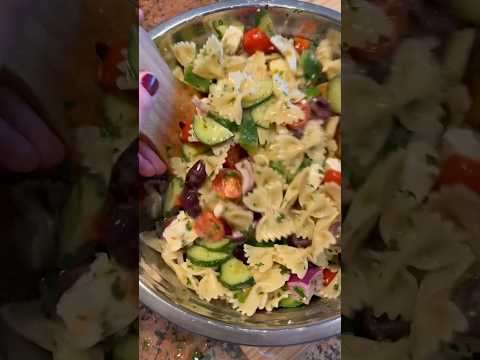
The Foundation: Choosing Your Pasta and Cooking It Right
The journey to an extraordinary pasta salad begins long before any dressing is whisked or vegetables are chopped. It starts with the pasta itself. The type of pasta you choose and, crucially, how you cook it, will set the stage for the entire dish, impacting its texture, ability to hold dressing, and overall enjoyment.
Selecting Your Pasta: Shape Matters
Not all pasta is created equal when it comes to salads. For pasta salad, you want shapes that are:
- Bite-sized: Easy to eat without cutting.
- Textured: Grooves, curves, or holes help trap the dressing and other small ingredients.
- Durable: Able to stand up to mixing and chilling without falling apart.
Excellent choices for pasta salad recipes include:
- Fusilli (corkscrews) and Rotini: Their spirals are perfect for catching dressing and tiny bits of herbs or cheese.
- Farfalle (bow ties): Visually appealing and their pinched centers hold flavor well.
- Penne and Ziti: Tubular shapes that allow dressing to seep inside.
- Orecchiette (little ears): Their concave shape creates perfect little cups for holding sauce and ingredients.
- Ditalini: Small, short tubes ideal for very finely diced salads.
Avoid long, delicate strands like spaghetti or fettuccine, which can clump together and are difficult to manage in a cold salad.
Cooking to Perfection: The Al Dente Rule for Pasta Salad
This is perhaps the single most critical step. For pasta salad, you absolutely must cook your pasta al dente, which means "to the tooth." It should be firm but still pliable, with a slight resistance when you bite into it. Here's why and how:
- Prevents Mushiness: Overcooked pasta becomes soft and soggy when cold, leading to a gluey, unappetizing texture. Al dente pasta retains its structure and a pleasant chew.
- Absorbs Dressing Better: Firm pasta absorbs dressing without becoming oversaturated, allowing flavors to meld beautifully without dissolving the pasta itself.
- Holds Up to Chilling: Pasta continues to soften slightly as it chills and absorbs dressing. Starting with al dente pasta ensures it remains firm even after hours in the refrigerator.
The Rinse Debate, Solved for Salad: While rinsing pasta for hot dishes is generally a no-no (it removes starches needed for sauce adhesion), it's often a good idea for pasta salad. Rinsing with cold water immediately after draining stops the cooking process, prevents the pasta from sticking together, and removes excess surface starch that could make your salad gummy. Just ensure you drain it thoroughly before adding other ingredients.
Crafting Your Flavor Profile: Ingredients Beyond the Pasta
With your pasta perfectly cooked, it's time to build the flavor and texture profile that will make your pasta salad truly exceptional. This is where creativity meets culinary strategy.
Vibrant Vegetables: Color, Crunch, and Freshness
Vegetables are essential for adding color, nutrients, and varying textures. Aim for a mix that provides both crunch and freshness. The key is uniform, bite-sized pieces.
- Crunchy Choices: Bell peppers (red, yellow, orange for color!), cucumbers (seedless varieties are best), celery, red onion (minced or thinly sliced for milder flavor).
- Sweet & Juicy: Cherry or grape tomatoes (halved), corn (fresh or frozen and thawed), peas (frozen and thawed).
- Substantial Greens: Broccoli florets or green beans (lightly blanched to soften slightly and brighten color), spinach or arugula (added just before serving to prevent wilting).
Consider blanching harder vegetables like broccoli or green beans for a minute or two. This tenderizes them slightly, enhances their color, and removes any raw bitterness without making them mushy.
Proteins and Savory Add-ins: Making it a Meal
To elevate your pasta salad from a side dish to a substantial meal, incorporate lean proteins and flavorful add-ins. This also offers great flexibility for those looking for healthy pasta salad recipes.
- Chicken: Grilled, baked, or rotisserie chicken, shredded or diced.
- Legumes: Chickpeas, cannellini beans, or black beans add plant-based protein and fiber.
- Seafood: Canned tuna (drained), cooked shrimp, or imitation crab.
- Cheese: Feta crumbles, mozzarella pearls, cubed provolone, or shredded Parmesan.
- Cured Meats: Diced salami, pepperoni, or cooked bacon bits for a savory punch.
- Eggs: Hard-boiled eggs, chopped, are a classic addition.
Fresh Herbs and Aromatics: The Flavor Boosters
These are the secret weapons that transform a good pasta salad into a great one. Don't skimp on fresh herbs!
- Parsley: Flat-leaf or curly, adds freshness and a hint of peppery flavor.
- Basil: Sweet and aromatic, especially good with tomato-based salads.
- Dill: Pairs wonderfully with creamy dressings, cucumbers, and chicken.
- Chives: Mild oniony flavor, adds delicate zest.
- Mint: A surprising but delightful addition, particularly in Mediterranean-inspired salads.
- Garlic and Shallots: Minced finely, these provide an aromatic base.
- Olives and Capers: Add a briny, salty depth that complements many dressings.
Texture Contrasts: The Unexpected Delight
A truly memorable pasta salad offers varying textures in every bite. Consider adding crunch or chew:
- Nuts: Toasted pine nuts, slivered almonds, or chopped walnuts.
- Seeds: Sunflower or pumpkin seeds.
- Croutons: Add just before serving to prevent them from getting soggy.
The Dressing: The Heart of Your Pasta Salad
The dressing is the unifying element that brings all your carefully chosen ingredients together. It infuses flavor, provides moisture, and dictates the overall character of your pasta salad. Mastering the dressing is paramount to unlocking the full potential of your ultimate guide to perfect pasta salad recipes.
Choosing Your Dressing Style
There are generally two main categories of pasta salad dressings, each offering a distinct profile:
- Vinaigrette-Based (Oil and Vinegar):
- Characteristics: Lighter, fresher, often tangy and bright. Excellent for showcasing fresh vegetables and herbs.
- Key Ingredients:
- Oil: Extra virgin olive oil is classic.
- Acid: Red wine vinegar, balsamic vinegar, apple cider vinegar, lemon juice.
- Flavor Boosters: Dijon mustard (helps emulsify), minced garlic, shallots, dried herbs, a touch of honey or sugar for balance.
- Creamy-Based (Mayonnaise or Yogurt):
- Characteristics: Richer, more indulgent, comforting. Often associated with classic deli-style pasta salads.
- Key Ingredients:
- Base: Mayonnaise, sour cream, Greek yogurt (for a lighter, tangier option).
- Acid: White vinegar, lemon juice.
- Flavor Boosters: Dried mustard, onion powder, garlic powder, fresh dill, celery seed, a pinch of sugar.
- Pesto-Based:
- Characteristics: Vibrant, herbaceous, intensely flavorful. Great for an Italian-inspired twist.
- Key Ingredients: Store-bought or homemade basil pesto, often thinned slightly with olive oil or a splash of lemon juice.
The Art of Balancing Flavors
A truly great dressing hits all the right notes:
- Acid: Brightens and cuts through richness (vinegar, lemon juice).
- Fat: Carries flavor and provides richness (oil, mayo, yogurt).
- Salt: Enhances all other flavors.
- Sweet: A small amount can balance acidity (honey, sugar).
- Umami: Adds depth and savoriness (Parmesan, Dijon mustard, nutritional yeast).
Always taste your dressing as you go and adjust. It should taste slightly assertive on its own, as it will mellow once mixed with the pasta and other ingredients.
Don't Drown It: The Gradual Approach
One of the biggest mistakes in pasta salad is over-dressing. Pasta, especially al dente, will absorb a significant amount of liquid as it chills.
Here’s the trick:
- Start by adding about two-thirds of your prepared dressing to the pasta and other ingredients.
- Mix gently to coat everything.
- Refrigerate the salad for at least 2-4 hours, or ideally overnight, allowing the flavors to meld and the pasta to absorb the dressing.
- Before serving, give the salad a good stir and assess the moisture level. If it looks dry or needs more flavor, add the remaining dressing, or even a bit more if necessary, a tablespoon at a time. This ensures your salad is perfectly moist and flavorful, not soggy.
Assembly, Chilling, and Serving Secrets
You've meticulously chosen your pasta, diced your vibrant veggies, and crafted a sensational dressing. Now, the final steps to ensure your pasta salad truly shines when it hits the table.
Gentle Mixing is Key
Once your pasta is cooled and drained, and your ingredients are prepped, combine everything in a large bowl. Add your initial portion of dressing (as discussed above) and mix gently. Use a spatula or large spoon to fold the ingredients together, ensuring the dressing evenly coats the pasta and vegetables without crushing delicate items like cherry tomatoes or mozzarella pearls. Over-mixing can break down the pasta and create a less appealing texture.
The Magic of Chilling Time
Patience is a virtue, especially with pasta salad. Chilling isn't just about serving it cold; it's absolutely essential for flavor development:
- Flavor Melding: As the salad chills, the pasta and other ingredients absorb the dressing, allowing all the individual flavors to intermingle and deepen. This creates a much more cohesive and complex taste.
- Texture Enhancement: Chilling helps the al dente pasta firm up slightly, contributing to that satisfying chew.
- Minimum Chill Time: Aim for at least 2-4 hours.
- Optimal Chill Time: Overnight is truly best. Plan ahead to allow flavors to fully develop.
The Final Adjustments Before Serving
After its essential nap in the refrigerator, your pasta salad will be ready for its grand debut, but it usually needs a little touch-up:
- Taste and Adjust: Before serving, give it a good stir and taste. Pasta often absorbs a lot of salt from the dressing, so you might need to add a pinch more salt, a grind of black pepper, or a splash of fresh lemon juice or vinegar to brighten the flavors.
- Add More Dressing (if needed): If the pasta salad looks a bit dry, add the remaining dressing or a fresh drizzle of olive oil. Mix gently.
- Freshen with Herbs: Stir in an extra handful of fresh chopped herbs (like basil or parsley) just before serving. This adds a burst of vibrant color and fresh aroma.
- Last-Minute Crunch: If you're adding ingredients like toasted nuts, seeds, or croutons, sprinkle them on top or gently fold them in right before serving. This prevents them from becoming soggy and losing their textural appeal.
Storage Tips
Pasta salad generally keeps well in an airtight container in the refrigerator for 3-5 days. If your dressing is mayonnaise-based, be mindful of safe food handling practices and don't leave it out at room temperature for extended periods. For vinaigrette-based salads, you can sometimes store the dressing separately and add it just before serving if you plan to keep the salad for several days, although it’s often more flavorful when pre-dressed.
Conclusion
Creating your best pasta salad is a delightful culinary journey that hinges on attention to detail at every step. From choosing the right pasta shape and cooking it perfectly al dente, to carefully selecting a medley of fresh ingredients, and finally, crafting a balanced, flavorful dressing, each element plays a crucial role. Remember the importance of adequate chilling time to allow flavors to meld and textures to set. By following these top tips, you'll consistently unlock incredible flavor and enjoy perfectly textured pasta salads that are sure to be a hit at any gathering or a welcome addition to your meal prep. Don't be afraid to experiment with different pasta salad recipes and ingredients – the possibilities are endless!
